MOVIES & SERIESWhen Love Hits Rock Bottom: The Biblical Marriage Story Hollywood Rarely Tells
How ‘The Blind’ tells the real story of Phil and Kay Robertson and a marriage rebuilt by faith.
In Hollywood, marriage is usually framed in soft lighting, meet-cutes, sweeping kisses, and third-act reconciliations set to a perfect soundtrack.
But The Blind, which is streaming now on EKKL Entertainment, trades fairy-tale romance for something far more gripping: a love story that nearly collapsed under the weight of addiction, rage, and heartbreak, and was rebuilt by faith.
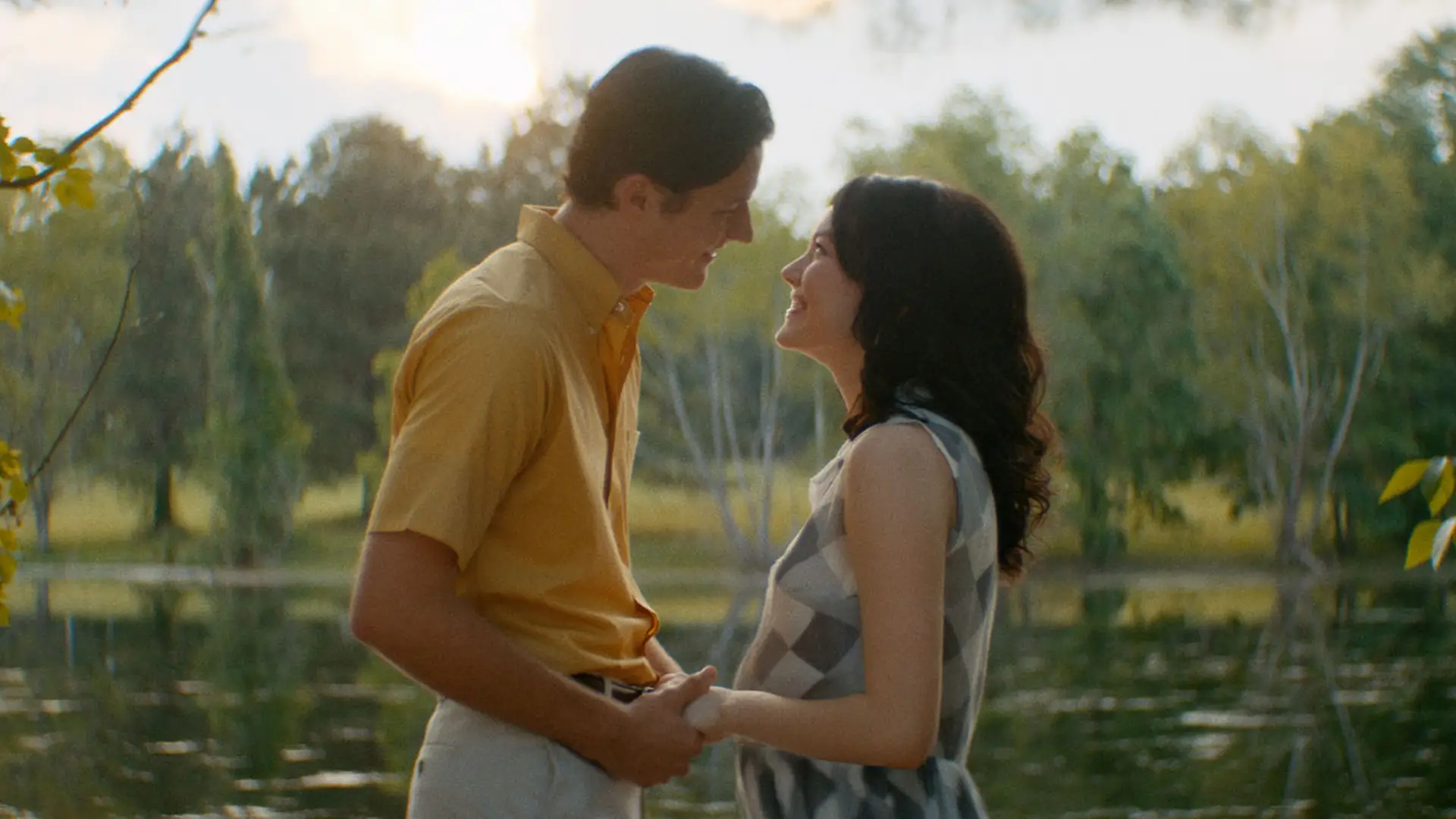
Based on the real-life story of Phil and Kay Robertson of Duck Dynasty fame, the film pulls back the curtain on the dark, early chapters of their marriage. As Phil spirals deeper into alcoholism and anger, driven by unresolved wounds from his past, their home begins to fracture. Kay is left to wrestle with a painful question many spouses quietly face: how do you remain faithful when the person you love has abandoned you?
The story is raw. At times, it’s uncomfortable. But that honesty is exactly what makes it powerful. Because it reveals a truth Christians often know in theory but may struggle to live out: biblical love isn’t proven when life is easy. It’s proven when everything is on the line.
And when a marriage finally reaches rock bottom, the film points to the only thing strong enough to rebuild it: grace, redemption, and the transforming power of Jesus Christ.
Here’s what The Blind shows us about marriage when it’s forged in fire.
Biblical Love Is Honest About Brokenness
One reason The Blind has resonated so deeply and brought many to Christ is its refusal to sanitize Phil’s past. His addiction isn’t glossed over. His anger isn’t excused. The fractures in his family aren’t minimized. And that was a conscious decision the Robertson family made together.
“We want to show God’s faithfulness to us,” producer Korie Robertson has said, explaining why the family felt it was important not to gloss over the darkest moments. Phil himself insisted those scenes mattered. He believed that if God could redeem his story, then it might give hope to someone else.
Scripture supports that kind of honesty. “The Lord is close to the brokenhearted and saves those who are crushed in spirit” (Psalm 34:18). And ultimately, The Blind reminds us that biblical love doesn’t hide the hard truths of life, but brings them into the open so healing can begin.
Love Doesn’t Ignore Sin, It Confronts It With Grace
Marriage in The Blind is not portrayed as a place where bad behavior is excused for the sake of unity. Phil’s actions carry real consequences. They film shows the strain, the separation, and the emotional toll.
But it also holds space for something culture rarely talks about anymore: grace that doesn’t erase truth.
Galatians 6:7 warns that “Whatever one sows, that will he also reap” … and Phil does. The fallout of his choices is visible and painful. Yet the film never suggests that sin gets the final word. Instead, it points to surrender — the moment Phil realizes he cannot fix himself.
That turning point isn’t flashy. It’s humbling.
And that’s where biblical love steps in, not to excuse destruction, but to believe that real transformation is possible.
Faithful Love Sometimes Means Staying and Praying
Kay’s portrayal may be the film’s most moving element. She is exhausted. Wounded. Torn between protecting her children and praying for restoration of her marriage.
But her perseverance isn’t naïve optimism. It’s anchored conviction.
Galatians 6:9 urges believers to “not grow weary in doing good, for at the proper time we will reap a harvest if we do not give up. Kay embodies that verse in ways that feel both inspiring and deeply human.
To be clear, The Blind doesn’t suggest every marriage should endure abuse at all costs. Instead, it shows boundaries, prayer, and a woman placing her ultimate hope not in her husband’s behavior — but in God’s faithfulness.
Real Love Requires Real Change
One of the film’s most important messages is that apologies don’t rebuild marriages — transformation does.
Phil’s conversion in The Blind is not instant perfection. It’s the beginning of a long, humbling process, one that slowly reshapes his marriage and legacy. Scripture describes this shift in 2 Corinthians 5:17: “If anyone is in Christ, he is a new creation. The old has passed away; behold, the new has come.”
The film subtly but powerfully shows how that change ripples outward. The restored marriage becomes the foundation for children, grandchildren, and eventually a public platform that would influence millions.
Psalm 127:1 says, “Unless the Lord builds the house, those who build it labor in vain.”
In hindsight, viewers see that the Robertson legacy didn’t begin with fame or success. It began with repentance.
A Countercultural Love Story
In a culture quick to cancel and slow to forgive, The Blind feels quietly radical.
The film reminds us that marriage isn’t sustained by chemistry alone. It endures through accountability, faith, and a willingness to let God reshape two imperfect people over time.
This isn’t a glossy romance. It’s a redemption story.
And perhaps that’s why it lingers long after the credits roll: because deep down, most couples don’t need a fairy tale. They need hope that what sometimes feels broken beyond repair can still be restored.
Because when love hits rock bottom — buried under addiction, anger, and heartbreak — The Blind points us back to a truth as old as Scripture itself: true biblical love isn’t proven in comfort. It’s forged in the flames, and sustained by a God who still makes all things new.
Experience More Stories of Redemption
If The Blind reminds us of anything, it’s that no life—and no marriage—is beyond God’s redeeming grace.
Become an EKKL member today and discover inspiring movies, award-winning podcasts, Daily Devotionals, and exclusive content that celebrate faith, hope, and the God who still makes all things new.